Yoshitsugu NaganoJAPANESE TEA RITUAL MASTER
EventClassBiographyContact
Members
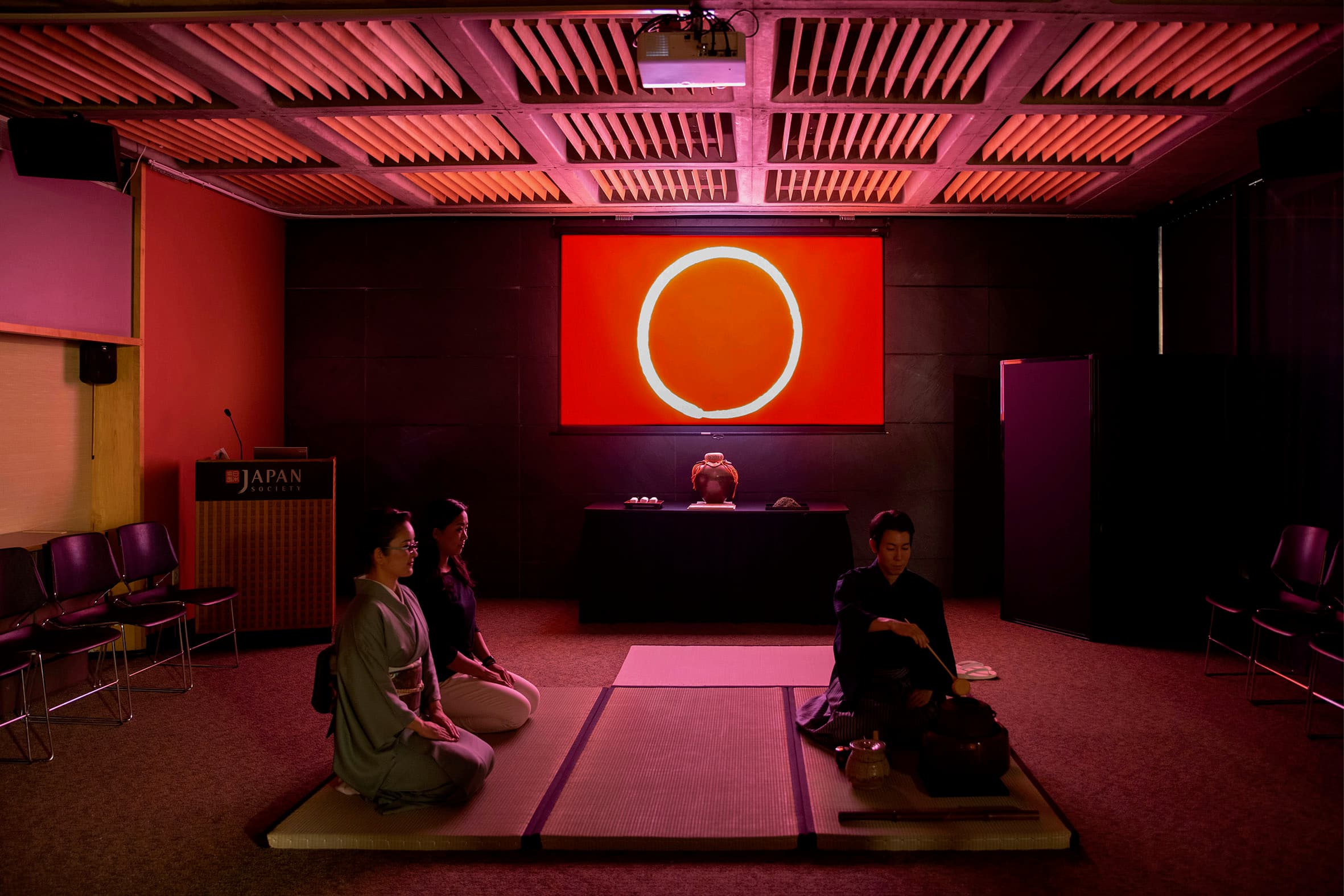
A tea ritual at Japan Society, performed before a projected red ensō

Event

Upcoming Events

What’s On

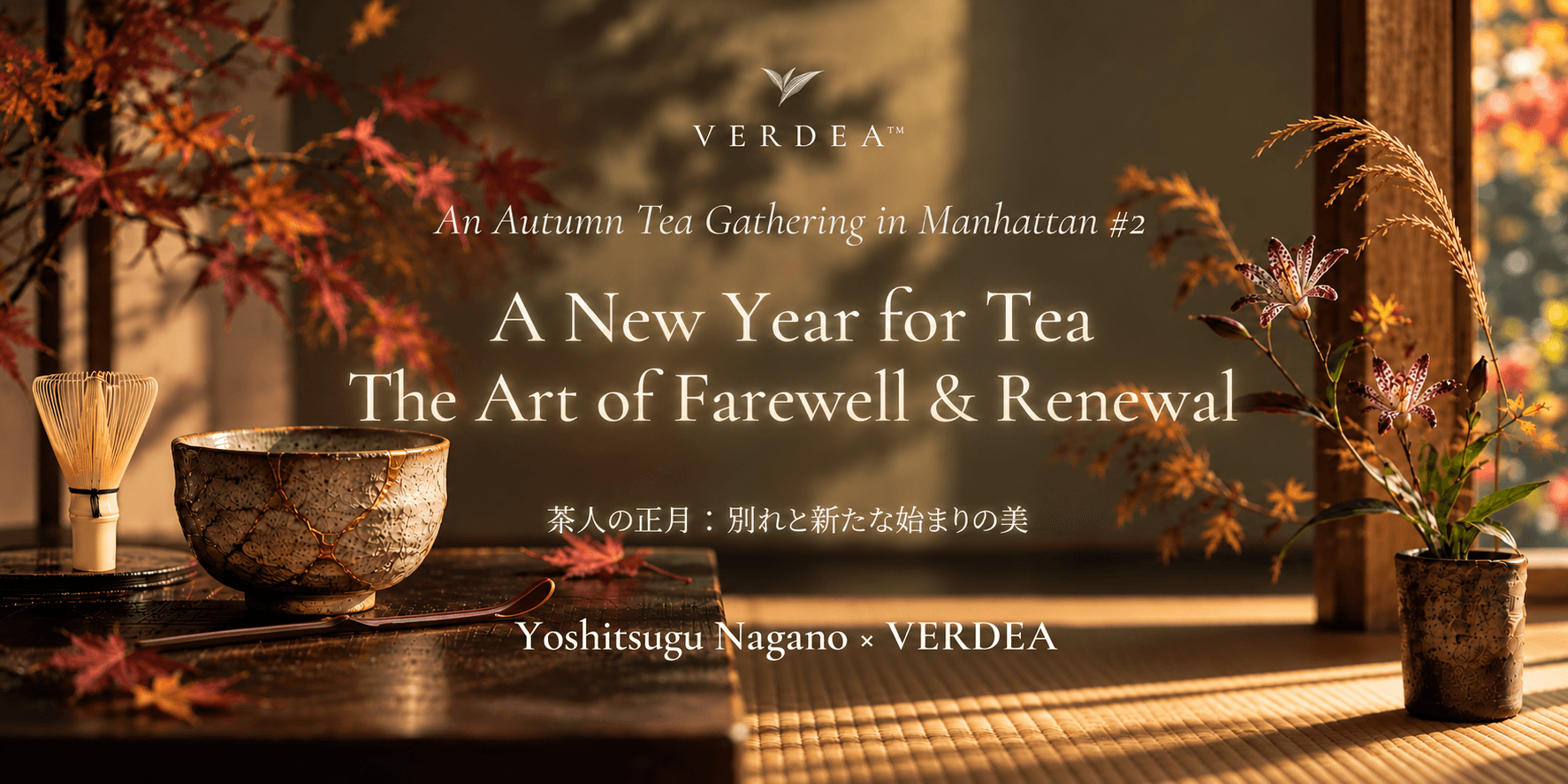
A New Year for Tea:The Art of Farewell & Renewal

Nov8Sun
2:00 – 3:00pm
A venue in Manhattan

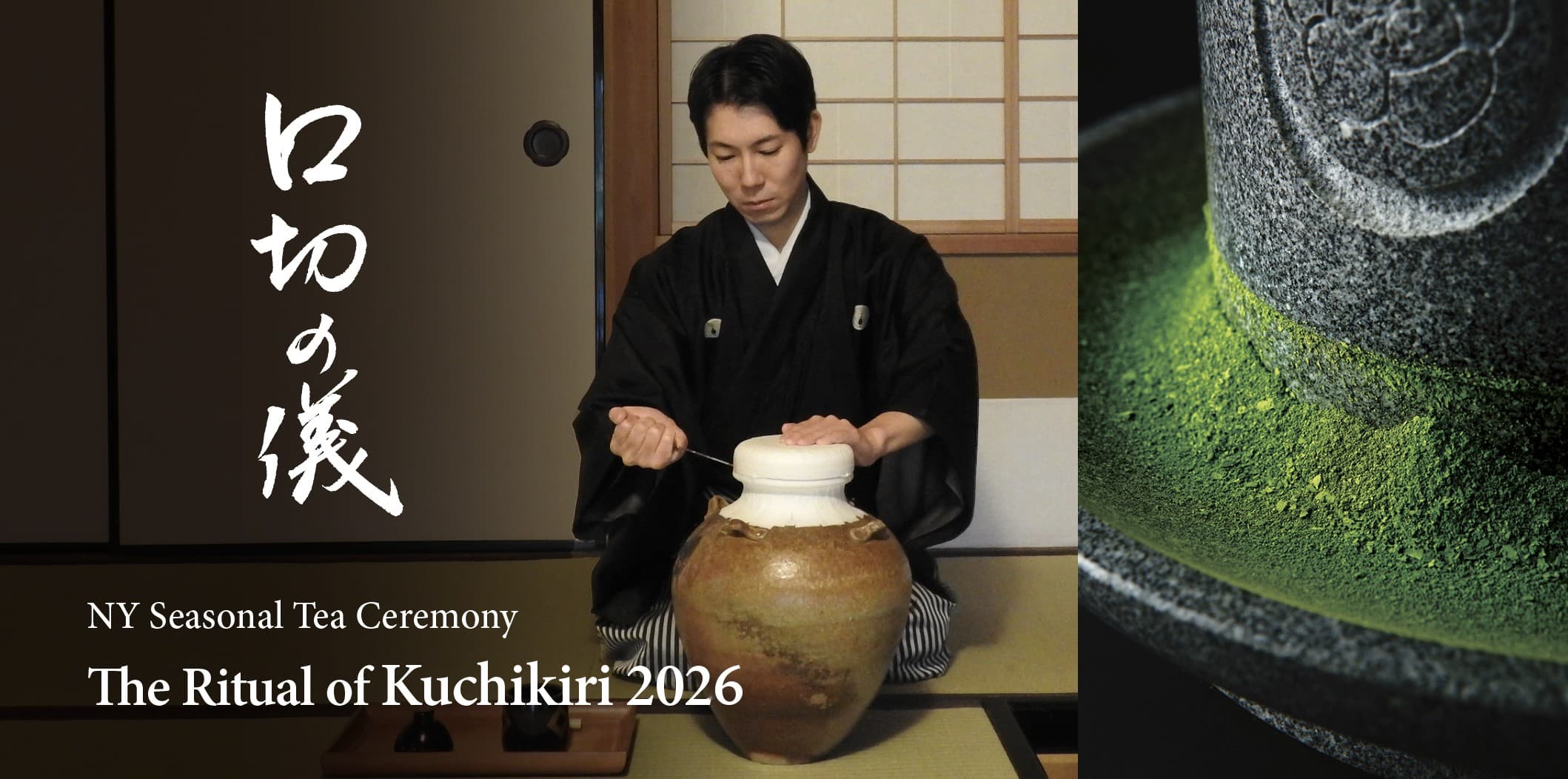
NY Seasonal Tea Ceremony:The Ritual of Kuchikiri 2026

Nov21Sat
10:30am – 1:00pm2:30 – 5:00pm
Globus Chashitsu

November 2026

S
M
T
W
T
F
S
Events & tea ceremoniesRegular classes

Select a marked day to see what is on. Classes run weekly; tea ceremonies and workshops are open to the public.

  • Nov8Sun

    A New Year for Tea:The Art of Farewell & Renewal

    2:00 – 3:00pmA venue in Manhattan
    Details →
  • Nov21Sat

    NY Seasonal Tea Ceremony:The Ritual of Kuchikiri 2026

    10:30am – 1:00pm2:30 – 5:00pmGlobus Chashitsu
    Details →
A New Year for Tea: The Art of Farewell & Renewal
Nov8Sun

A New Year for Tea:The Art of Farewell & Renewal

2:00 – 3:00pm

A venue in Manhattan

Manhattan, New York (opens in Google Maps)

The address is sent to you once your place is confirmed.

The second gathering in our series with VERDEA, a New York matcha house, on Japanese aesthetics through tea. In the tea calendar, the year turns not in January but in November, when the jar of new tea, sealed since spring, is opened at last.

October is the month of nagori (名残), when the last of the old year’s tea is savored and the bowls, flowers, and gestures of the tea room carry a gentle farewell. Then comes kuchikiri (口切), the cutting of the seal on the tea jar, celebrated as the New Year of tea. Yoshitsugu Nagano speaks about these two traditions and what they say about letting go and beginning again.

Eriko Nishimoto of VERDEA then guides a tasting of matcha. We close with conversation and questions.

    • Learn — nagori and kuchikiri, the farewell and renewal of the tea year, with Yoshitsugu Nagano
    • Taste — a guided matcha tasting, with VERDEA
    • Reflect — conversation and questions

No previous knowledge of chanoyu, matcha, or Japanese culture is needed, and the gathering is held primarily in English. Fees are non-refundable; with at least 48 hours’ notice, your place can be moved to a future session, subject to availability. Photographs and video are taken during the gathering and may be used to promote future events. Registration is taken by VERDEA; the button above takes you to their form.

Price$30

The lecture fee is paid to Yoshitsugu Nagano; the matcha tasting is offered by VERDEA with its compliments. Your place is reserved once payment is confirmed by email.

Reserve your spot

Request to join

Registration is held by VERDEA, and opens in a new tab.
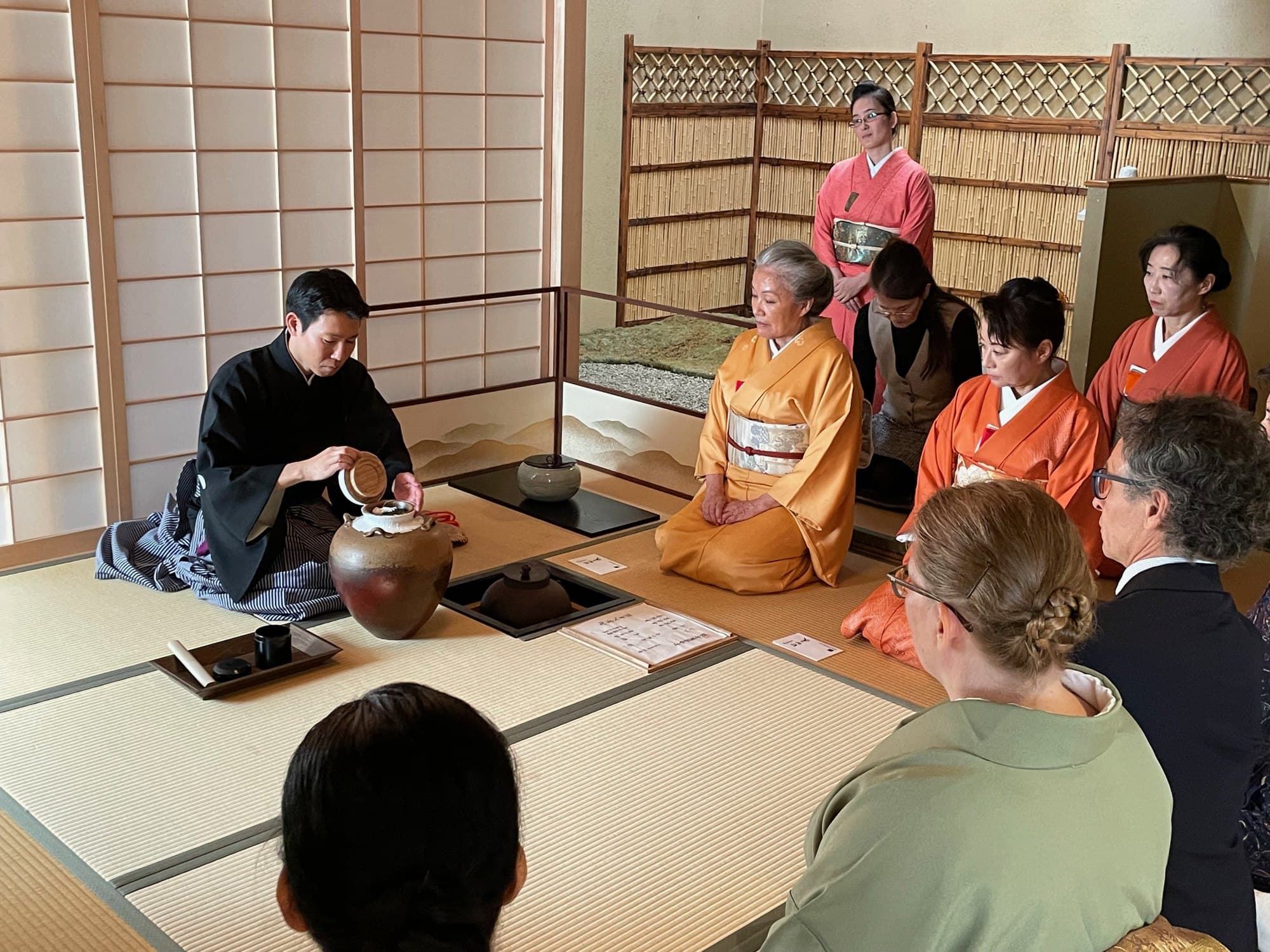
NY Seasonal Tea Ceremony: The Ritual of Kuchikiri 2026 — 1 of 7NY Seasonal Tea Ceremony: The Ritual of Kuchikiri 2026 — 2 of 7NY Seasonal Tea Ceremony: The Ritual of Kuchikiri 2026 — 3 of 7NY Seasonal Tea Ceremony: The Ritual of Kuchikiri 2026 — 4 of 7NY Seasonal Tea Ceremony: The Ritual of Kuchikiri 2026 — 5 of 7NY Seasonal Tea Ceremony: The Ritual of Kuchikiri 2026 — 6 of 7NY Seasonal Tea Ceremony: The Ritual of Kuchikiri 2026 — 7 of 7
Nov21Sat

NY Seasonal Tea Ceremony:The Ritual of Kuchikiri 2026

10:30am – 1:00pm2:30 – 5:00pm

Globus Chashitsu

889 Broadway, New York, NY 10003 (opens in Google Maps)

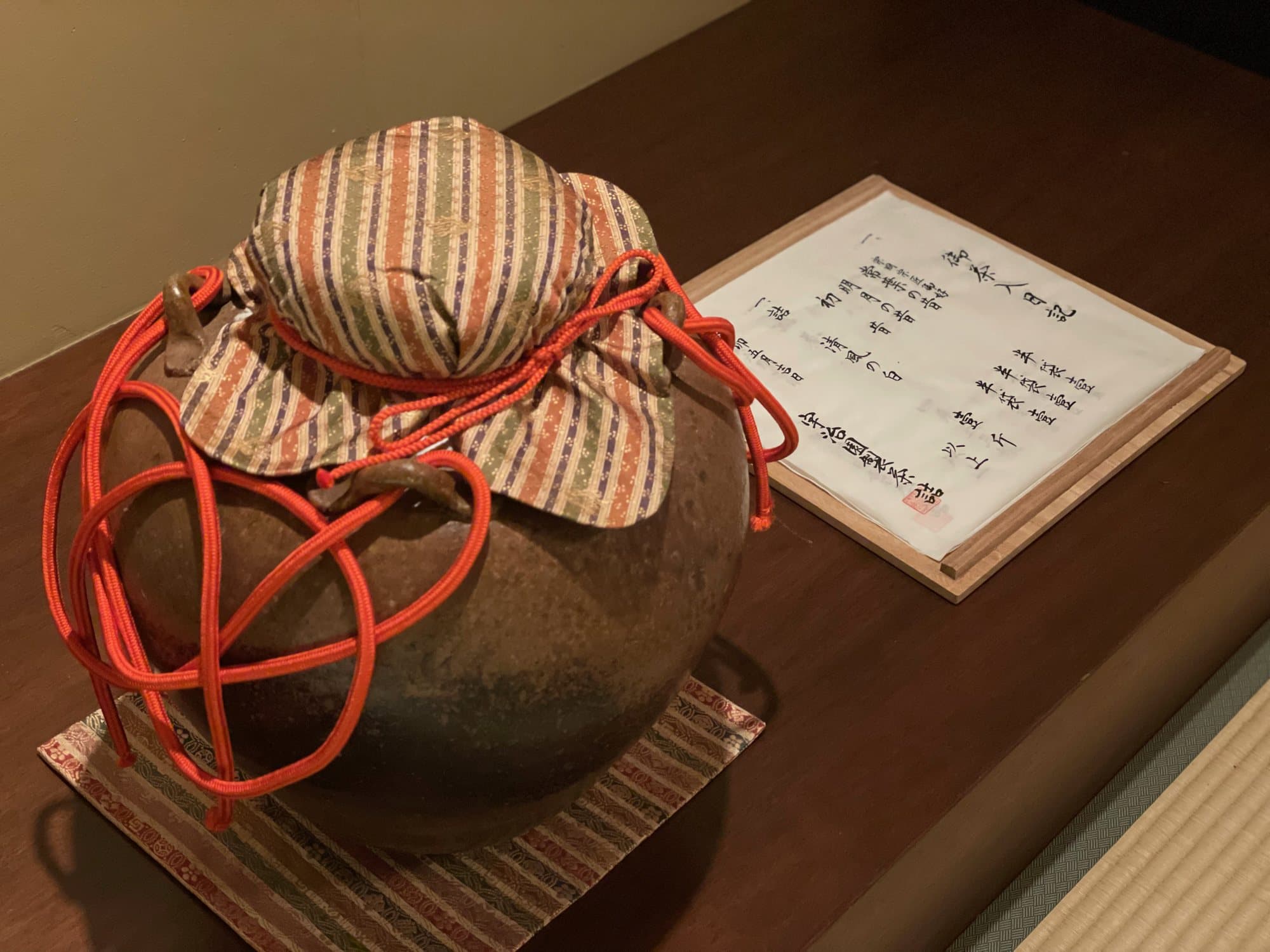
In the world of tea, the year begins not in January but in November. The new leaves picked in spring have rested all summer in a sealed jar, and now, before the guests, the host cuts the seal and opens the jar for the first time. This is kuchikiri (口切), the New Year of tea.

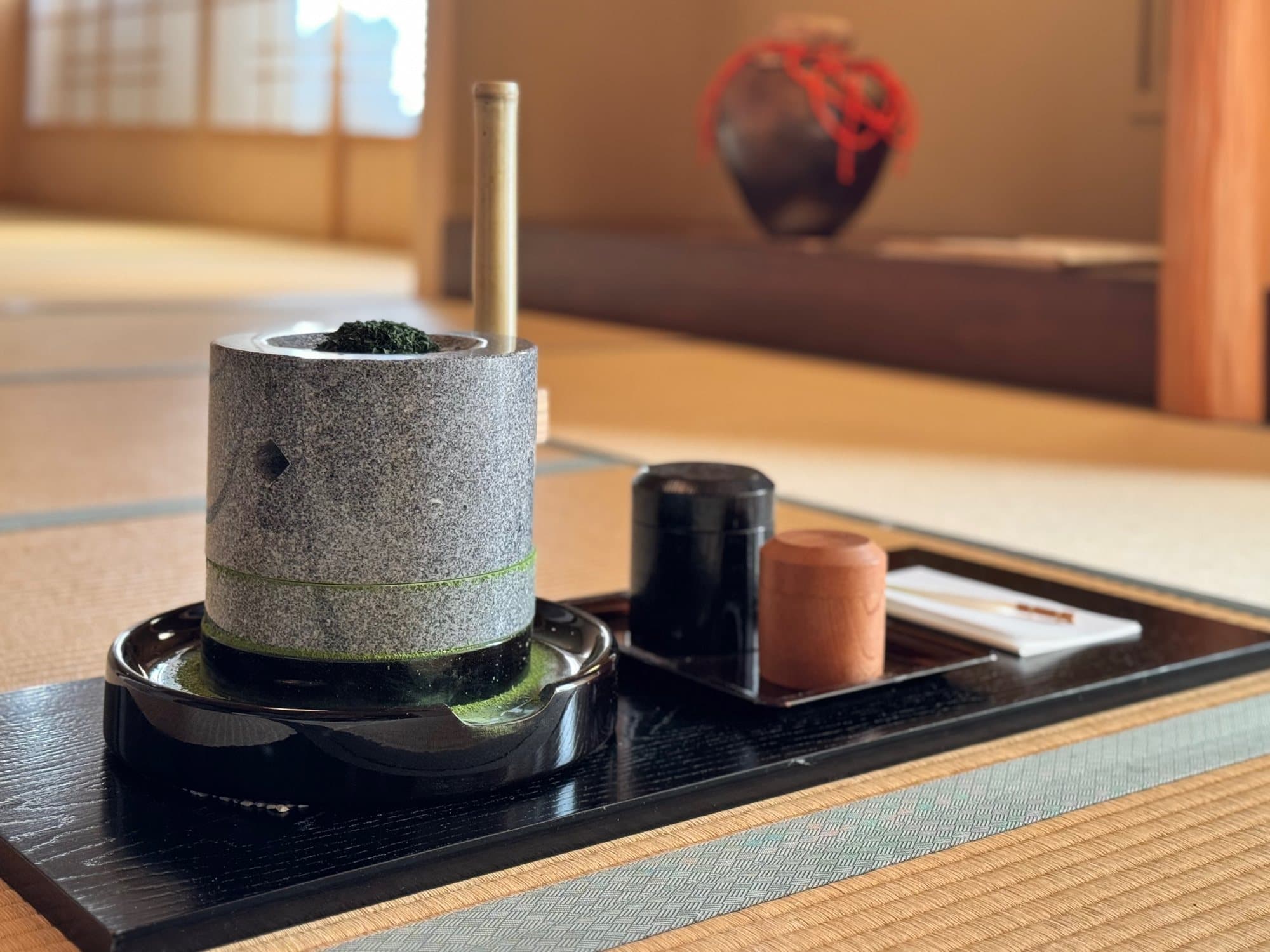
Each November we gather at Globus Chashitsu for the ritual of kuchikiri. The host unties the jar’s dressing, cuts the paper seal with a small knife, and takes out the tea that has waited since spring. The guests look at the jar up close, and later, while they enjoy their zenzai, the new leaves are ground into matcha in a stone mill before their eyes.

November is also when the tea room changes for winter. The sunken hearth, the ro (炉), is opened and lit for the first time, and the room is dressed in a bright, festive mood, as for a new year. This year the gathering falls on the Day of the Boar (亥の日), the day on which tea masters have long lit the hearth. The boar belongs to water in the old calendar, and so is said to keep the house safe from fire.

It also comes five days before Thanksgiving. Over a warm bowl of zenzai and the season’s first bowls of tea, come mark the turning of the tea year with us, and give thanks for the season and for one another.

    • Kuchikiri: the tea jar’s seal cut before your eyes
    • Sumi-demae: the charcoal laid in the newly opened hearth
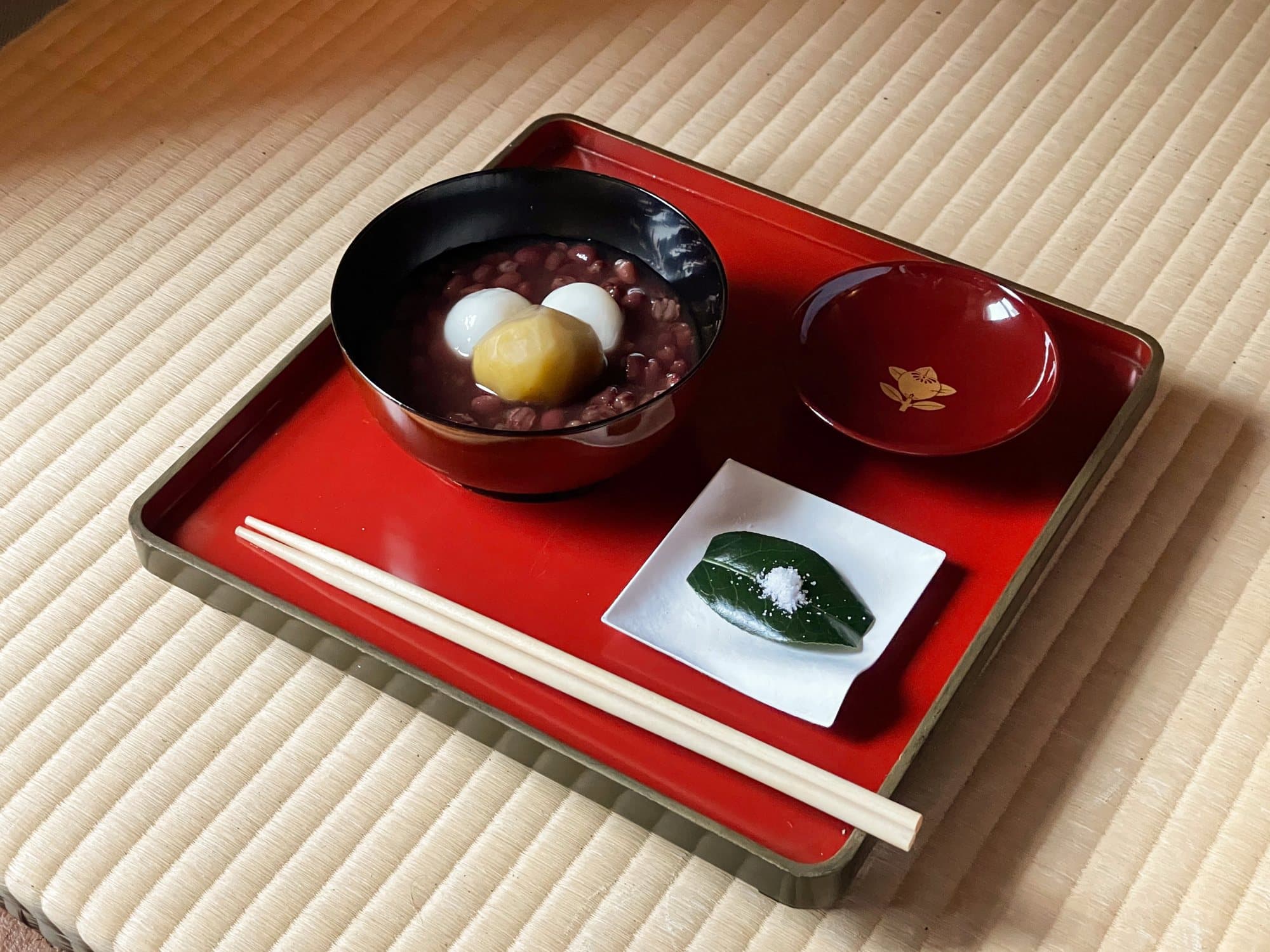
    • Zenzai, the warm red bean soup with mochi served at kuchikiri
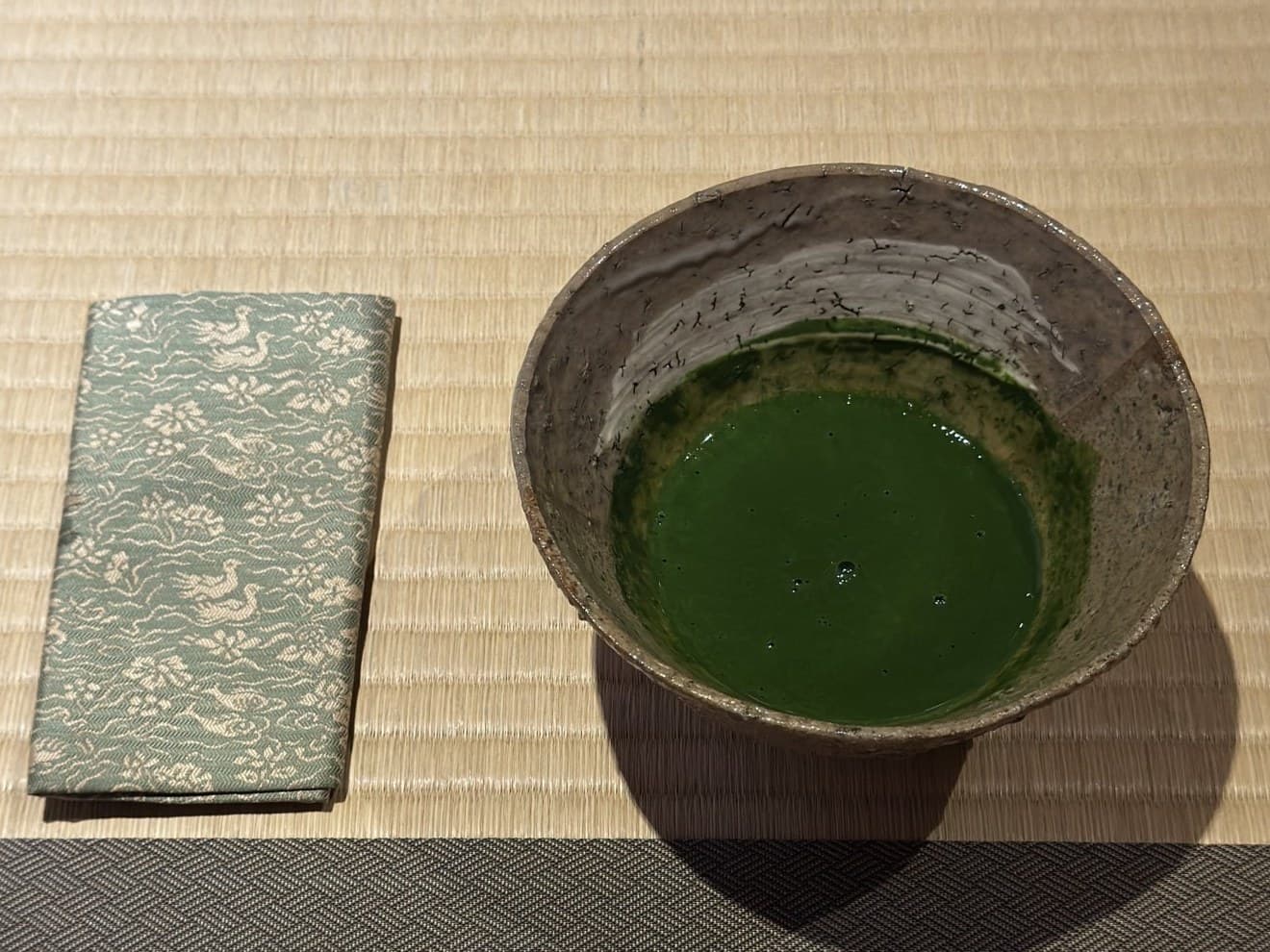
    • Koicha, thick tea, and usucha, thin tea, made with the new season’s matcha
    • Morning and afternoon sittings, ten guests each
    1. 1

      The ritual of kuchikiri

      • The tea jar, passed around for a closer look
      • Cutting the seal and taking out the new tea
    2. 2

      Sumi-demae

      • The host lays the charcoal in the newly opened hearth
    3. 3

      A short break

      • The room is made ready while guests step out
    4. 4

      Zenzai and the stone mill

      • Zenzai (善哉), sweet red bean soup with mochi, the customary sweet of kuchikiri
      • While you eat, the new tea is ground into matcha in a stone mill (ishiusu) in front of the guests
    5. 5

      Koicha and usucha

      • Koicha (濃茶), thick tea, with guidance on how to receive and drink it
      • Usucha (薄茶), thin tea, a bowl for each guest
      • The history of the season and the utensils, explained along the way

Photographs are from previous Kuchikiri gatherings and do not represent the exact menu or presentation of this event.

Supported by

Globus Family·Nippon Cha·Ueda Sōko-ryū

Price$120/ per person

Reserve your spot

$120 per person × 1 guest

$120

Total

$120

Newsletter

Tea letters from New York

Your name is optional — only the email address is needed. Occasional letters on tea ceremonies, classes, and the season.

© 2026 Yoshitsugu Nagano. All rights reserved.